Which Japan Are You Going For?
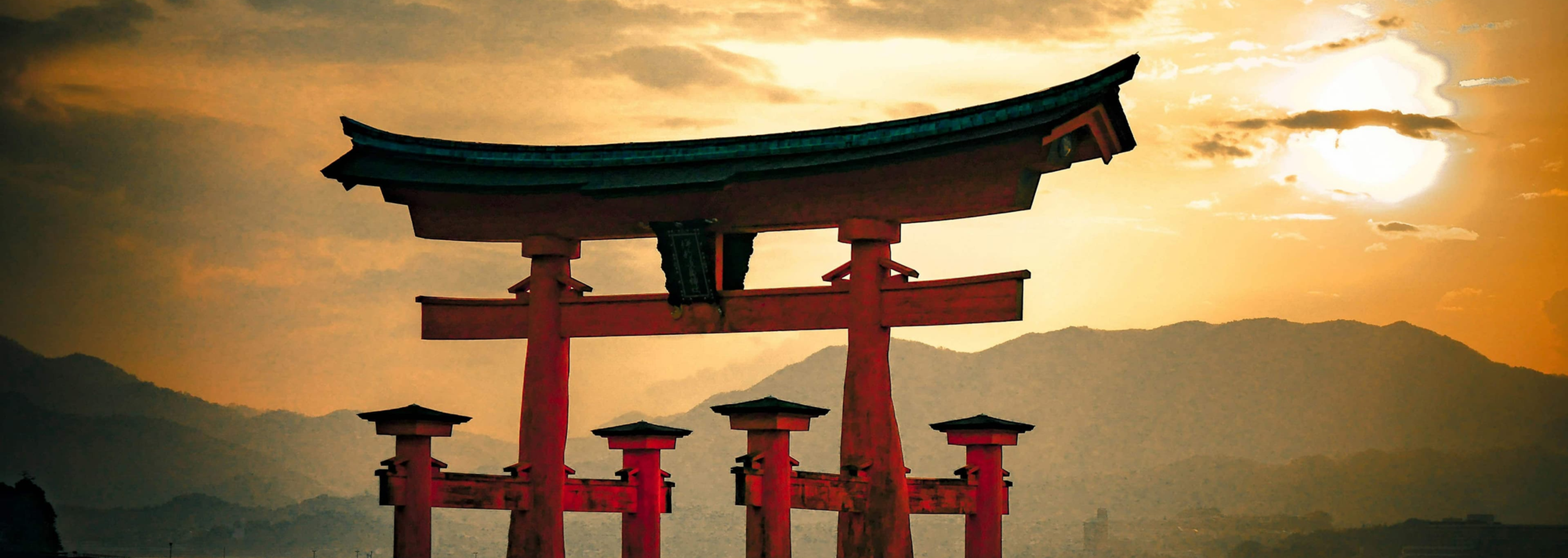
I’ve seen a surge in interest in Japan lately. It seems like almost every week I’m talking to someone who has Japan on their list, whether they’re planning their first trip or thinking about going back. And one thing I’ve learned is that there isn’t just one way to do Japan.
The question is not what to see. It is which Japan you are going for?
There are four of them.
Not officially. But this is how I’ve come to think about Japan, shaped by my own travels, the trips I have planned for my clients, and what they tell me when they come home.

Modern Japan is Tokyo and Osaka. Design hotels, the food, the markets, the shopping, the nightlife. Michelin-starred restaurants and tiny counter seats, sleek cocktail bars and neighborhoods that stay busy well past midnight. Dense, fast, and open late.

Old Japan is temples, castles, shrines, and surviving merchant streets. Kyoto is the famous version and deserves its own nights. Nara, Kawagoe, and Wakayama are the ones you can reach in a morning and be back by dinner.

Quiet Japan is the mountains. Hot springs, a traditional inn, a long dinner, and a day built around doing very little. Hakone, where it comes down to the Onsen, the scenery, and the art.

Island Japan is Okinawa and the Ryukyu Islands, the art islands of the Seto Inland Sea, and wild Yakushima. Beaches and resorts, art and architecture, ancient forests, and island cultures distinctly their own.
What surprised me most when I was in Japan was how quickly the country changes character. You can wake up in one of the biggest cities in the world, be in a mountain town soaking in an Onsen that afternoon, and a few days later be on a subtropical island a thousand miles south.
A great Japan trip doesn’t have to choose just one of these. It’s about finding the right combination.
Just This Month: Same Japan. Two Very Different Posh Trips.
Just this month I had two sets of travelers in Japan over nearly identical dates. One wanted excitement and somewhere romantic to end up, which is how they finished on a beach in the East China Sea. The other wanted culture and history, and finished in a Meiji-era sake warehouse an hour outside Tokyo. Same country, same dates, different Japans.
Trip one: two weeks, Modern to Quiet to Island


Five nights in Tokyo, two in the mountains at Hakone, then four in Okinawa.
These travelers wanted energy and experiences at the beginning of the trip, but they also wanted somewhere romantic to finish. So Tokyo came first and was deliberately full: a 5am insider tour of the Toyosu fish market, including access to a trading floor closed to sightseers, a tea ceremony at a bonsai tea house, and a nightcap in Golden Gai.
From there, the pace changed completely. Hakone is only about 60 miles southwest of Tokyo, but it feels like another Japan: Lake Ashi with Mount Fuji behind it, the Open Air Museum, and a ryokan with private onsen bathing and a long kaiseki dinner.
Then came the biggest contrast of all: a flight south to Okinawa. Three nights on the Yomitan coast, at a resort built around Ryukyu design, with the sea in front of them and very little on the schedule.
Three Japans in one trip. Old Japan was the one they left out, and that wasn’t an oversight. It was the trade they wanted to make.
Trip two: one week, Modern and Old


Three nights in Osaka, four in Tokyo, and only one hotel change.
These travelers were much more interested in history and culture, but with only a week, I didn’t want them spending half the trip checking in and out of hotels. So Osaka and Tokyo became the two bases, with Old Japan reached on day trips.
.
Osaka gave them Modern Japan at its loudest and hungriest: Dotonbori, Kuromon Ichiba market, and an evening exploring izakaya on foot. From there came Wakayama, an hour south, for a castle begun in 1585 and a cliffside fishing village. Nara was an hour in the other direction, with the world’s largest wooden temple building and its famous deer park.
From Tokyo, Kawagoe brought Edo-era merchant streets and three sake warehouses. And in Tokyo itself, a guided day moved from the Tsukiji outer market through Asakusa to the back lanes of Yanaka.
Two Japans, one hotel change, and centuries of history reached on days that began and ended in the same bed.
Kyoto is on neither of these trips, deliberately. It rewards three or four nights, not an afternoon, and neither itinerary had the room. Kyoto is not skippable. It is just not something to squeeze.
So which one is yours?
For most travelers, a week is enough to experience two of these Japans without rushing. With ten days, three can work beautifully. With two weeks, all four are possible, although that doesn’t mean you should try to fit them all in.
The goal isn’t to collect destinations. It’s to build the right contrasts into the trip, while keeping the pace comfortable and the logistics sensible.
If Japan is on your list for 2027, this is a good time to start thinking about it. The place to start isn’t with a list of hotels and sights. It’s with the kind of Japan you want to experience.
Tell me how long you have, what you love to do when you travel, and which of these four Japans you don’t want to miss. We'll build the trip together from there.


Comments